

Explore the Adinizer® System
The Adinizer® is a patented adipose processing
technology that standardizes fat graft preparation through ultra-sharp, blade-based sizing, enabling reproducible workflows from structural microfat to regenerative nanofat and ASC preparations.
The Adinizer platform doesn’t create a single fat product; it lets the physician select the preparation best suited to the patient's structural or regenerative needs.

LESS PRESSURE.
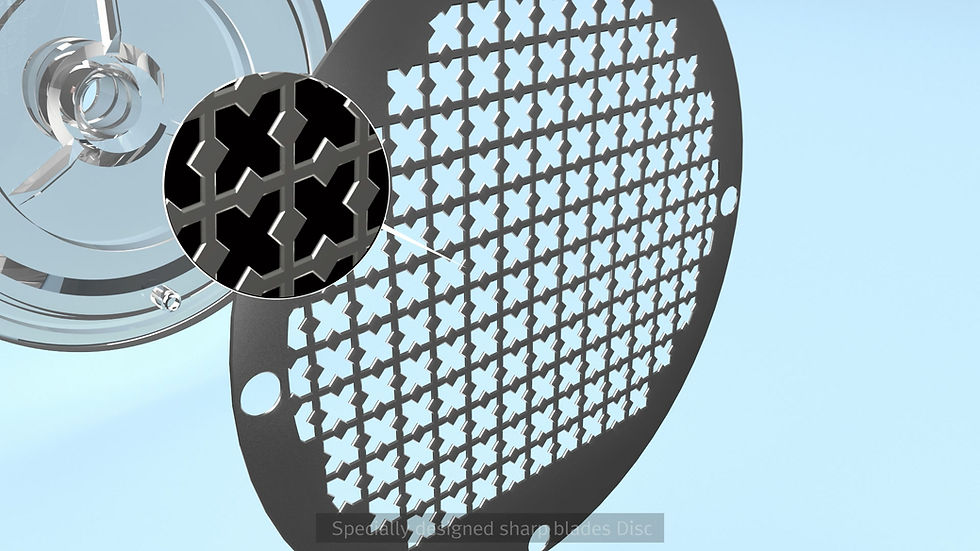
Cut, Don't Crush
Adinizer® spreads fat across a broad cutting surface, reducing the blunt-force pressure of narrow luer transfer.
LESS PROCESSING
Size With Purpose
Choose your preferred fat size and follow the disc pathway to create the preparation you need with less passes.
BETTER FAT
Preserve What Matters
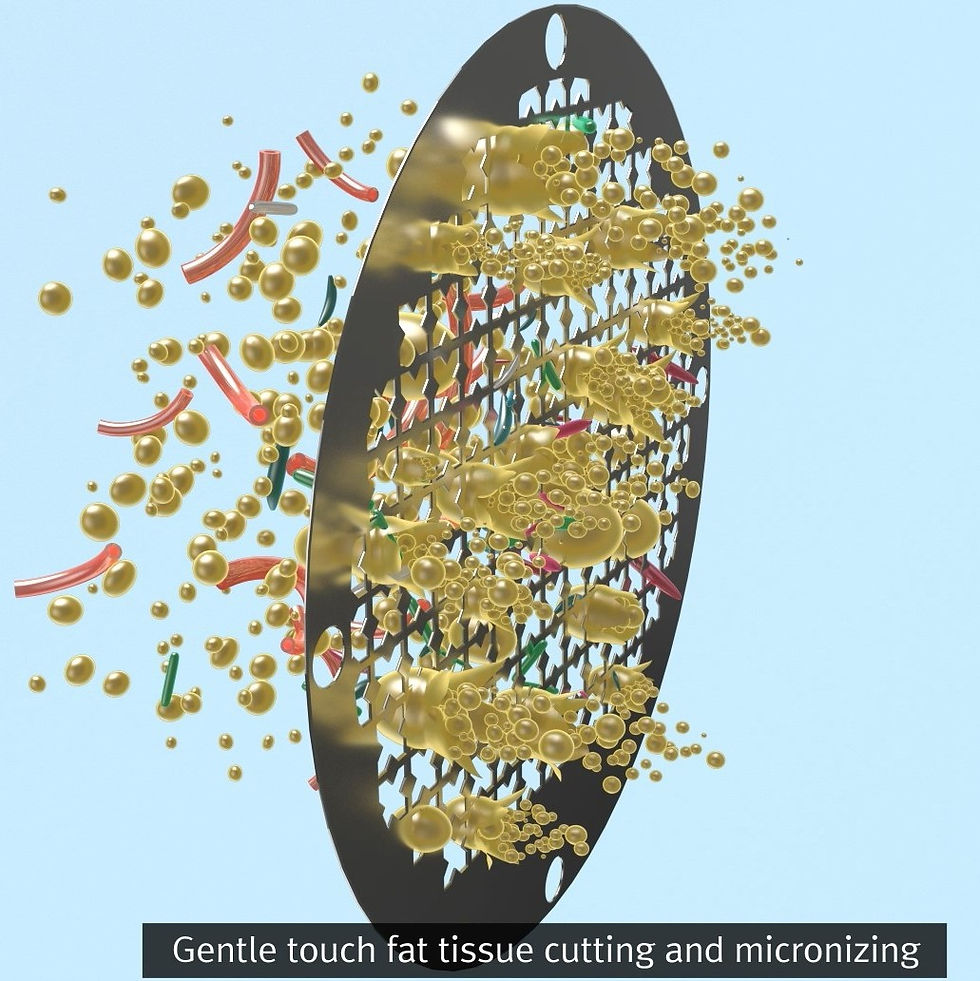
Precision, blade-based processing creates uniform microfat while preserving cell architecture and stromal elements.
Adinized Nanofat
Regenerative - Signaling
Preserves Regenerative Components
Adinized Nanofat retains extracellular matrix, stromal elements, and bioactive signaling components within the final reparation.
Precision Delivery
Reduced particle size enables delivery through smaller-gauge needles for precise placement within targeted tissue planes.
Non-Enzymatic Processing
Progressive mechanical processing creates a finer regenerative adipose preparation without enzymatic digestion.
Therapeutic Objective
Unlike structural microfat, nanofat is not primarily intended for volume. This finer autologous adipose-derived ASC preparation supports tissue repair, regeneration, and biostimulation.
Adinized Microfat
Structural - Volume
Preserves Structure
Maintains adipocyte architecture and its native stromal and extracellular matrix components.
Controlled Sizing
Defined cutting ports create more predictable, uniform microfat with increased total surface area of the fat graft.
Gauge-Specific Delivery
Sequential downsizing matches the preparation to the intended cannula or needle gauge, supporting precise, consistent delivery.
Less Destructive Processing
Blade-based cutting reduces compression and pressure, providing a gentler alternative to traditional blunt luer-to-luer processing.


Adinizer Disc Sizes
The 2400µm Adinizer disc creates macrofat parcels for larger-volume grafting, breast applications, deep tissue planes, and reconstructive support. Suitable for cannulas up to 17G.

The 1200µm Adinizer disc produces microfat for facial aesthetics, orthobiologics, and mid-plane tissue support. Suitable for delivery up to 20G.
The 600µm Adinizer disc creates fine microfat preparations for 21–23G delivery. Ideal for scaffolding, contouring, and soft-tissue refinement where smoother flow and smaller graft parcels are needed.
Adinizer Disc Sizes
The 2400µm Adinizer disc creates macrofat parcels for larger-volume grafting, breast applications, deep tissue planes, and reconstructive support. Suitable for cannulas up to 17G.
The 1200µm Adinizer disc produces microfat for facial aesthetics, orthobiologics, and mid-plane tissue support. Suitable for delivery up to 20G.
The 600µm Adinizer disc creates fine microfat preparations for 21–23G delivery. Ideal for scaffolding, contouring, and soft-tissue refinement where smoother flow and smaller graft parcels are needed.


Clinical Benefits

Customizable
Microfat
Switch blade sizes to match grafts to anatomical planes—whether for facialrefinement or orthopedic applications.

Reproducible Outcomes
Standardized cutting delivers uniform particle sizes, ensuring repeatability and minimizing guesswork across treatments.

Smooth & Precise Injectability
Engineered for effortless flow through the cannulas—saving time, reducing clogging,
and improving procedural efficiency.

Preserve and Regenerate
Perfect for regenerative aesthetics, sexual wellness, or targeted orthobiologic use—where precision and preservation matter most.

Protects Cell Integrity
The Adinizer’s low-pressure mechanical cutting reduces trauma compared to
luer-to-luer transfers.


Why Clinicians
are Switching
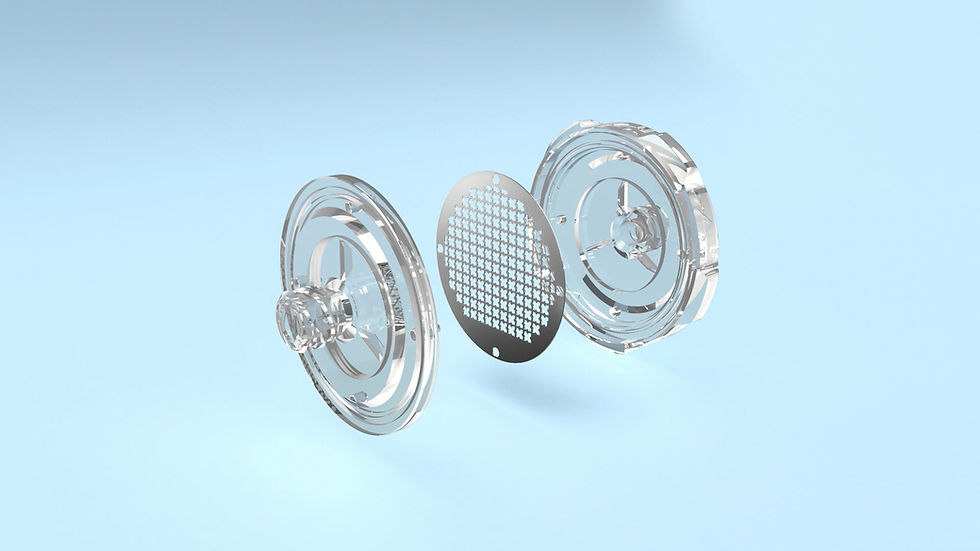
The Adinizer uses interchangeable, size-specific blade discs
that shear adipose tissue across a large cutting surface area.
Clinicians experience:
Lower destructive pressure
vs narrow-path, high-force transfers
More consistent particle sizing
through disc-defined outputs
More predictable handling
at the intended deliverability target
Adinizer's closed, standardized pathway helps reduce variability across operators and cases, giving practices:
Less open handling and fewer transfers
More consistent preparation workflow across team members
Easier staff training around repeatable preparation steps
Clearer linkage between disc pathway, preparation type, and deliverability target